Russia Ramps Up Ballistic Missile Attacks To Drain Ukraine’s Patriot Missile Stockpile
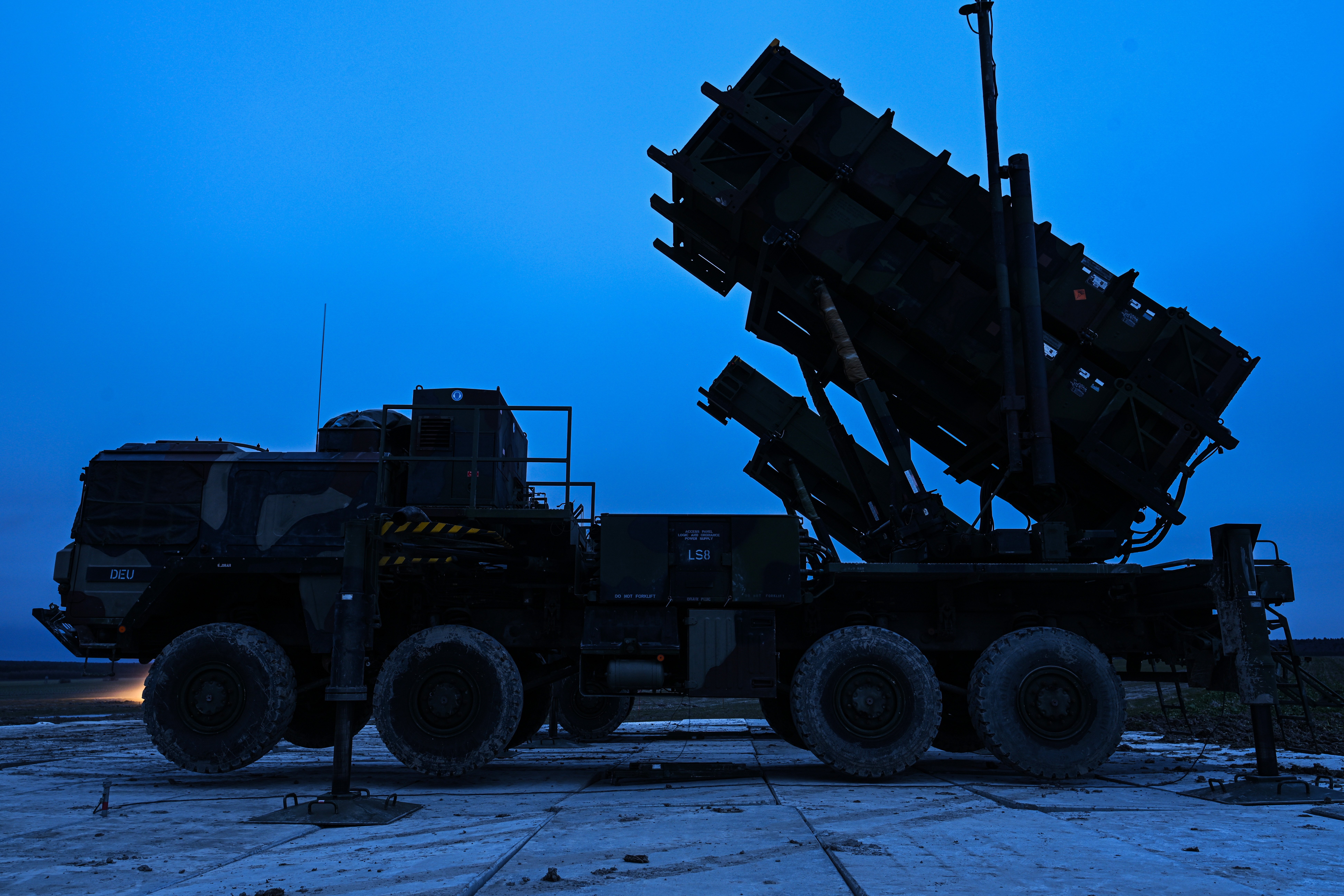
Russia has increased the share of ballistic missiles in its recent strike packages against Ukraine, a move analysts say may be intended to exhaust Ukraine’s limited supply of Patriot air defense interceptors.
According to the Institute for the Study of War (ISW) in its latest assessment, Moscow appears to be exploiting both Ukraine’s reliance on Patriot systems and the growing demand for those interceptors in the Middle East amid escalating regional tensions.
The analysts noted that Russia’s strike series on March 6–7 included a significantly larger number of ballistic missiles than is typically seen in Russian attack patterns.
“Notably, the March 6–7 strike series included more ballistic missiles than Russian forces typically include in their regular strike packages,” the ISW report said. “Russia is likely attempting to take advantage of Ukraine’s shortage of Patriot interceptors and the conflict in the Middle East. About half of the missiles in the overnight strike package were ballistic missiles.”
According to the Institute for the Study of War, Russian forces rarely launch more than ten ballistic missiles within a single strike package and often deploy only a few—or none at all—on most days.
“Russia sometimes launches a larger number of ballistic missiles, but ballistic missiles rarely constitute such a large share of the total number of missiles in a strike,” the analysts added.
The shift is significant because Ukraine depends heavily on US-made Patriot systems to intercept Russian ballistic missiles. Unlike cruise missiles or drones, ballistic threats are far more difficult to counter without advanced systems such as Patriot batteries equipped with PAC-3 interceptors.
The ISW assessment states that Russia may also be reacting to ongoing public discussions about potential shortages of Patriot interceptors available to Ukraine.
“Russia is likely attempting to take advantage of ongoing public discussions not only about the reduction of PAC-3 interceptor deliveries to Ukraine but also about the recent intensive use of Patriot interceptors by the United States and Gulf states in the Middle East to defend against Iranian and Iranian-proxy strikes,” the report said.
The analysts added that Moscow may be attempting to further deplete Ukraine’s interceptor stocks while anticipating potential constraints on future US deliveries.
“Russia is likely attempting to further deplete Ukraine’s limited supply of Patriot interceptors and exploit their shortage, hoping that the United States may be unwilling or unable to provide Ukraine with additional interceptors while the US-Israeli campaign in the Middle East continues,” the ISW report said.
Recent strike data highlights the scale of Russia’s aerial campaign. According to Ukraine’s Air Force, Russian forces launched 480 drones and 29 missiles during the overnight attack on March 7. Ukrainian air defenses intercepted 453 drones and 19 missiles.
The primary targets included Kyiv, Kharkiv, the Zhytomyr region, the Khmelnytskyi region, and the Chernivtsi region.
Ukrainian President Volodymyr Zelenskyy said on March 8 that Russia had intensified its attacks over the past week, using nearly 1,750 strike drones, 1,530 guided aerial bombs, and 39 missiles against Ukraine. According to Zelenskyy, many of the attacks targeted civilian infrastructure, including residential buildings and energy facilities.
“Most targets are successfully neutralized by our warriors. But more protection is needed—and it is needed every day. First of all, these are air defense missiles, and therefore contributions and deliveries within the PURL program are key,” Zelenskyy wrote on Telegram.
Earlier, Zelenskyy said that defending against a single large-scale Russian strike can cost tens of millions of euros in air defense interceptors. Speaking to journalists on January 20, Zelenskyy stated that one Russian attack required roughly €80 million worth of missiles to repel, highlighting the financial strain of countering ballistic threats primarily with Patriot air defense system interceptors.


Comments
Post a Comment